More than 300 people have died on Mount Everest since 1921, with roughly 200 bodies remaining on the mountain, often in the "death zone" above 8,000 meters. Extreme cold, low oxygen, and difficult terrain make recovery dangerous and expensive, leaving many as grim landmark markers. Climate change is melting glaciers, exposing more bodies
This topic is a special interest of mine because of the preservation of the body. It is very eerie to perceive something as living when it isn't. Also makes me wonder how many other people or ancent animals are preserved in the snow that we don't know about?
Key Facts Regarding Bodies on Everest:
The "Death Zone" (above 8,000m): High altitudes, severe weather, and lack of oxygen make it nearly impossible to retrieve bodies, leaving them to freeze or be covered by snow.
Melting Ice: Global warming has caused glaciers and snow to melt, revealing bodies that were buried years or decades ago.
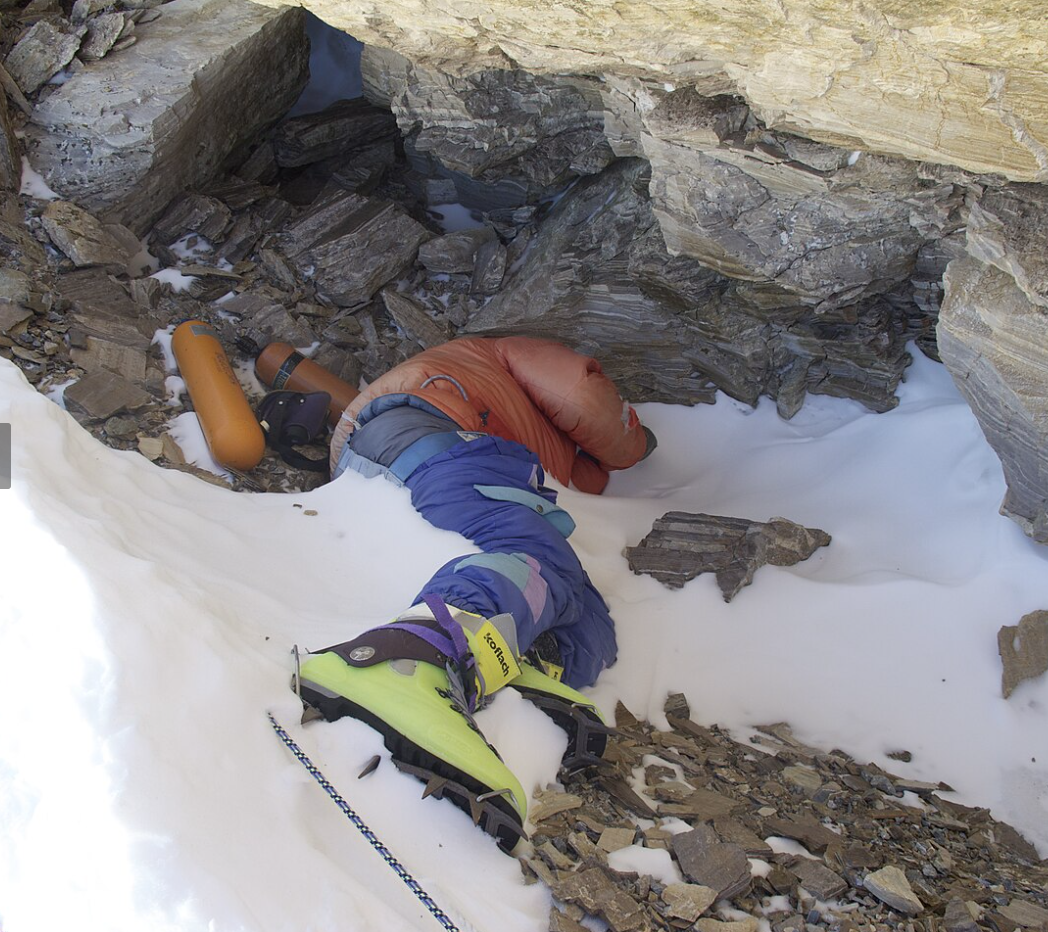
Grim Landmarks: Some bodies became infamous markers. "Green Boots," likely Indian climber Tsewang Paljor (died 1996), was a well-known marker for years until his reported removal, serving as a sign of progress near the summit.
Recovering Efforts: Nepal frequently conducts clean-up missions, including removing bodies. For example, in 2024, four bodies and one skeleton were retrieved from the death zone.
Common Reasons for Deaths: Most deaths are caused by altitude sickness, exhaustion, falls, or unpredictable weather. Due to the dangers of high-altitude rescue, climbers in the death zone are often left where they fall, as attempting to move them could put other lives at risk.
Most Notable Bodies
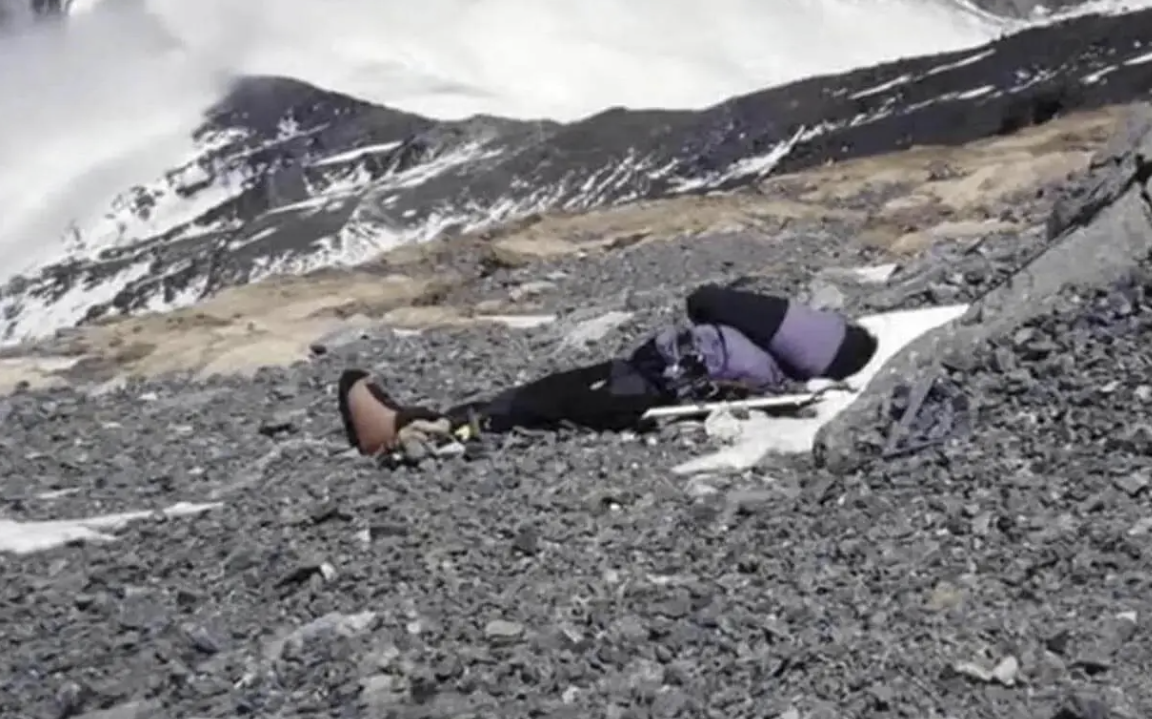
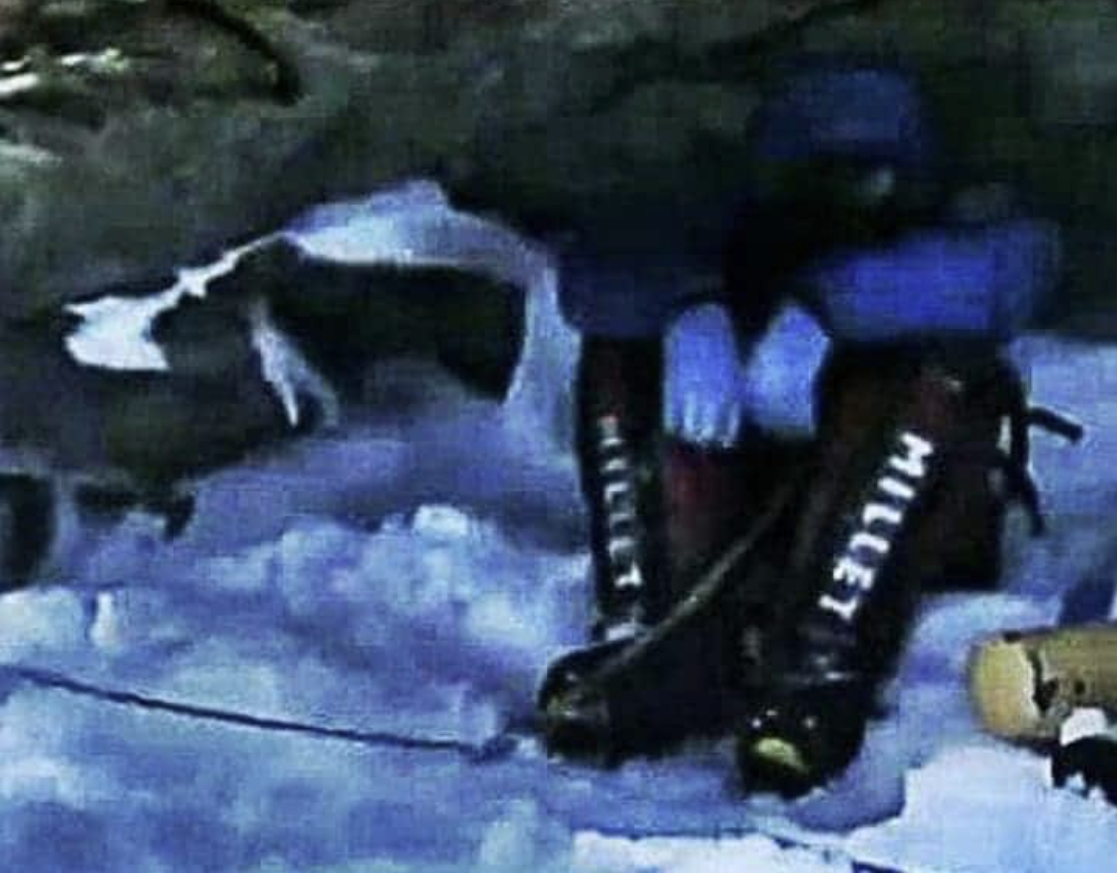
Depiction of a seemingly sleeping hiker who had actually succumbed to the conditions. Referred to as Green Boots, he is now a marker for hikers to use.Known as the Sleeping Beauty Francys Arsentiev's body lays on Everest as if she was taking a nap.David Sharp took a break on his descent next to Green Boots in a cave where around 40 people passed him in his final moments.